

It’s not uncommon for your screen protector to come loose after a period of time, but don’t worry, it’s an easy fix! All you need is some clear glue or tape and a few minutes of your time. Here’s a step-by-step guide on how to reglue your screen protector: 1. Start by clean both the screen and the screen protector with a lint-free cloth. This will help the new adhesive to stick better. 2. Once the surface is clean, apply a thin layer of glue or tape around the edge of the screen protector. 3. Carefully align the screen protector back onto the screen. Press down around the edges to make sure it’s properly adhered. 4. Let the glue or tape dry for a few minutes before using your phone as normal. That’s it! With just a few simple steps, you can easily reglue your screen protector and extend its life.
Can You Restick Screen Protector?
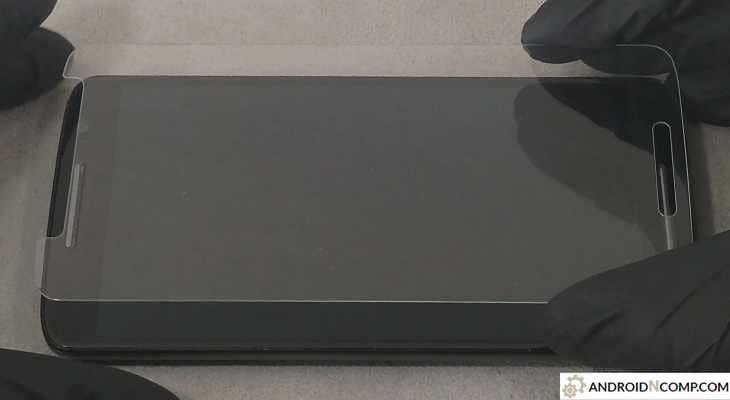
While some people have found ways to do this, reusing tempered glass screen protectors is not generally recommended. Dust accumulates on the protector after it has been removed from the original device.
Some of the reasons why you may need to restick your screen protector include its location on your screen, the type of protector you use, and the size of the screen. A well-prepared workplace is required before the procedure begins. Cleaning agents, adhesive tape, and wooden sticks are all required to remove glass. If possible, avoid using thin rubber gloves to avoid accidentally leaving prints on clean glass or film surfaces. If the glass screen protectors are not damaged and the silicone base is not broken, they can be reused. If you want to prevent glass breakage, keep the edge of the non-glued glass 1″ above the screen. Before you can remove the glass with a wooden toothpick, it must be adhered to the tempered glass with adhesive tape.
Can You Remove And Restick Screen Protector?
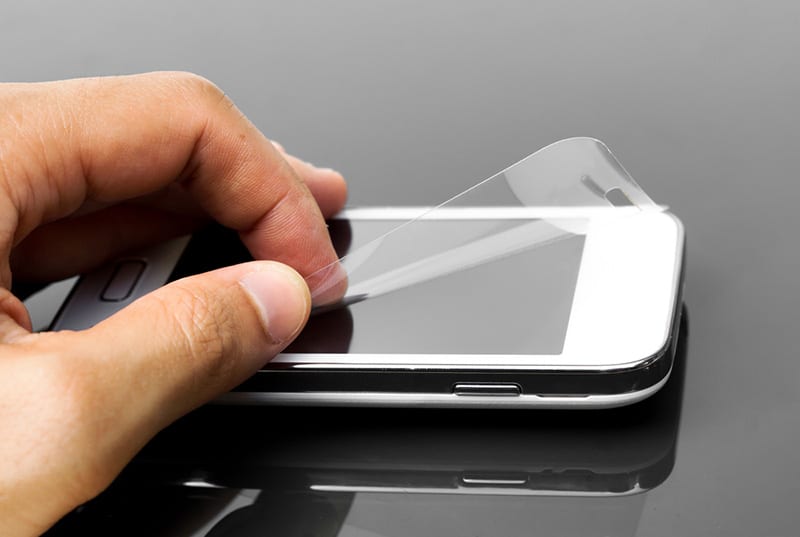
It is recommended that once the protector has been removed, there be no residue left on it. If residue remains, it can be removed by simply rinsing the solution with it. It is acceptable to reapply a screen protector if you made an error while installing it.
Yes, if you have a new phone and are unsure if a screen protector is required, you should. If you drop your drink or a key firmly against the screen, your device will be permanently damaged in a matter of seconds. A screen protector not only protects your phone but it can also increase its resale value.
If your screen protector is nearing the end of its useful life, it is time to replace it. If you notice any yellowing, bubbling, or lifting of the protector, it should be replaced right away.
How Do I Reattach Tempered Glass To My Phone?
If your phone’s tempered glass screen protector has become detached, you can usually reattach it without too much difficulty. First, make sure that the surface of the phone’s screen is clean. Next, align the edge of the screen protector with the edge of the phone’s screen. Once the edge is lined up, gently press down on the screen protector until it adheres to the phone’s screen.
If you have a crack in your tempered glass screen protector, it’s time to replace it. You can replace a screen protector in a variety of ways. If your iPhone or iPad contains residue, dust, or dirt, clean your hands first. Some screen protectors come with their own removal and installation kits, and others may come with kits that are identical. There are some items that you can keep around the house that can assist you in the process. Some good buys include Spigen cases, Gorilla Tape, and MagicFiber Microfiber cleaning cloths.
How To Change Screen Protector On Android Phone
To change a screen protector on an Android phone, first remove the old screen protector. To do this, gently peel it off from one corner. If it is difficult to remove, use a credit card or something similar to help loosen it. Once the old screen protector is off, clean the screen with a lint-free cloth. Then, align the new screen protector with the top of the screen and gently apply it, working from the top down. Use a credit card or something similar to smooth out any bubbles.
How To Fix A Screen Protector Crack
Cut off the excess polish by folding a piece of paper or the blunt end of a blade, then peeling off the excess polish on the screen. The only thing you’re attempting to do here is ensure that the screen protector looks smooth. After applying the nail polish to the crack once more, leave it alone for a minute. You should clean up the excess.
Screen protectors that have cracked are just as dangerous as those that have broken. There is no permanent fix for a cracked screen; however, there are some do-it-yourself fixes available. Remove the cracked screen protector and use gorilla tape as a temporary solution. The Gorilla Tape must be kept in place for at least 6 – 8 months in order to remove easily. Instead of attempting to repair a broken tempered glass screen, replace it with a new screen protector. In addition, it will help prevent further cracks from forming when your phone falls. A tempered glass screen protector or screen protector is significantly less expensive than a new phone screen. If your Android phone, iPhone, tablet, or other device requires a screen protector, Carlcare has a service center near you where you can purchase high-quality and dependable screen protectors. It is possible that sand and water will seep through the cracked screen protector and cause your phone to become damaged in the same way that the protector was designed to protect it from.
A broken screen protector resembles a spider web. However, as you approach it, you will notice cracks. When you look at your phone at nearly 180 degrees, it’s obvious why it cracks. To flatten the film protector, push down the card, and to avoid lifting it up again, keep the card tucked inside the case.
Fixing Cracked Screen Protector With A Hairdryer Or Heat Gun
If you’re worried about the screen protector’s durability, you could consider a more aggressive solution. You could try spraying the cracks with a heat gun or using a hairdryer to get rid of them. It is critical not to damage the screen protector.
How To Get A Screen Protector Off That Is Stuck
If you have a screen protector that is stuck to your device, there are a few things you can try to remove it. If the screen protector is made of plastic, you can try using a credit card or a hard, flat object to gently pry the edge of the screen protector up. You can also try using a hairdryer to heat up the adhesive on the back of the screen protector and then peel it off. If the screen protector is made of glass, you can try using a suction cup to remove it.
If you use a tempered glass screen protector that is older or broken, it will leave a sticky, smeary residue on your device’s screen. We’ve compiled a guide to removing screen protector adhesive as quickly as possible, so that you don’t have to be afraid to use your phone with a sticky touchscreen. In addition to applying adhesive residue to the screen, there are several other methods to remove it. Because the screen protector is so sticky, it is simple for you to leave fingerprints, dirt, and other particles on the sticky surface after it has been removed. The steps below must be followed to ensure that the job is done correctly and efficiently. If you don’t have alcohol, mayonnaise can soften the glue and make cleaning easier.
How To Get Rid Of A Stuck Screen Protecto
The professionals will be able to correct the problem if your glued screen protector does not budge after multiple attempts. A few options exist for removing the screen protector from your iPhone, but the most effective is to heat it. Place the iPhone inside a pot of boiling water on the stove. It is critical not to overheat the device, and wait until the screen protector becomes loose and peels off before peeling off. When you use a hair dryer to loosen the adhesive, you may be able to pull and remove the screen protector gently.
If you are uncomfortable with this procedure on your own, there are a few third-party removal services available. Before removing the screen protector, call ahead to confirm that it can be done and the price. If the screen protector does not come off easily in the event of a problem, you may need to contact a professional.