

A stylus is a small, pen-like instrument used to input commands on touch screen devices such as smartphones, tablets, and PDAs. While a stylus can offer a more precise way of interacting with a touch screen than using one’s finger, some users worry that the stylus may scratch the screen. So, does a stylus scratch a screen? The answer appears to be “it depends.” While some users report that their stylus has caused scratches on their device’s screen, others say they’ve never had any problems. It’s possible that the type of screen protector or case you use with your device may play a role in whether or not a stylus will scratch it.
If you can’t get your stylus into good working order, you won’t be able to scratch the sensitive surface of the touchscreen device. The nib of the stylus can be worn down, or the screen of the device may be dirty, resulting in scratches to the stylus. It is critical to maintain your stylus and take preventative measures to avoid scratches. Your stylus will almost certainly scratch or damage your phone, tablet, or laptop screen at some point. Your chances of getting a scratch-free screen increase even further if you follow these tips. The stylus nib is relatively inexpensive and easy to replace.
Furthermore, there is a factory-installed screen protector that can be seen nearly everywhere. If you’re scratching here, it’s possible that you’re not finished. The only screen protector that should be replaced after it has been installed by the factory is the one that has been installed. It should not be possible for the screen to scratch so easily.
A basic capacitive stylus pen with a rounded ball tip is suitable for use. Even though it would be preferable to purchase a glass screen protector, plastic ones are much less durable. Because of the plastic screen protector, the pen may not be flowing properly, and the stylus pen may mark itself.
Why Does My Stylus Scratch My Screen?
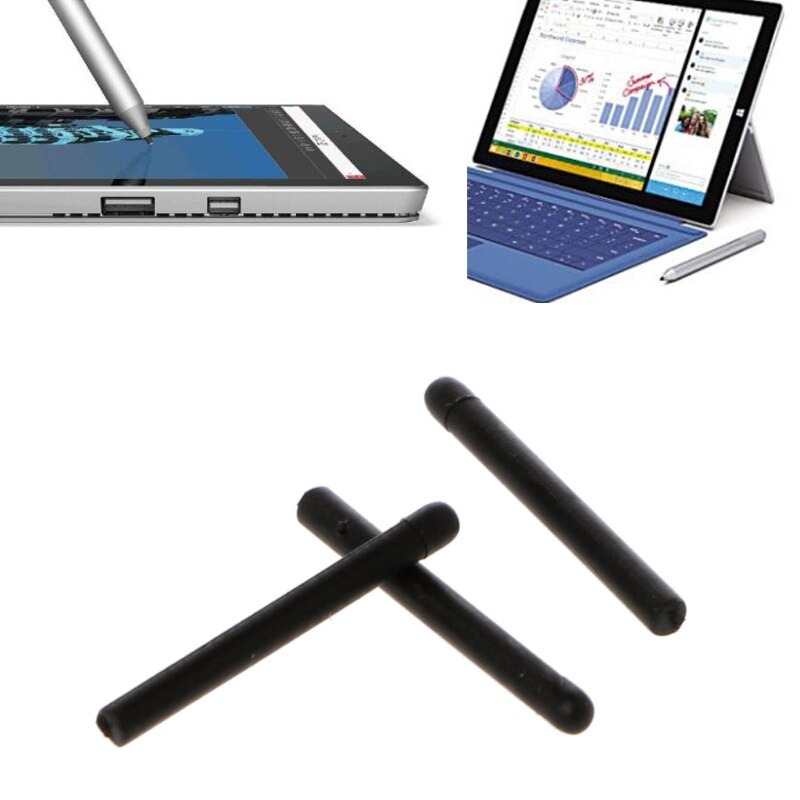
There are a few reasons why your stylus may be scratching your screen. The most likely reason is that the tip of your stylus is not smooth. If the tip of your stylus is not smooth, it can cause the stylus to catch on the surface of the screen and scratch it. Another possibility is that the tip of your stylus is too hard. If the tip of your stylus is too hard, it can also scratch the surface of the screen. Finally, it is possible that the screen is not properly protected. If the screen is not properly protected, it is more likely to be scratched by a stylus.
It is not difficult to keep your phone safe while on the go. It’s simple to get your laptop screen protected with a screen protector and a case. If you’re more concerned, consider getting a second screen protector and case to protect your new device if the first one breaks. As an added bonus, bring your phone with you. It’s preferable to have it in your pocket than not having it at all.
Do You Need A Screen Protector When Using A Stylus?
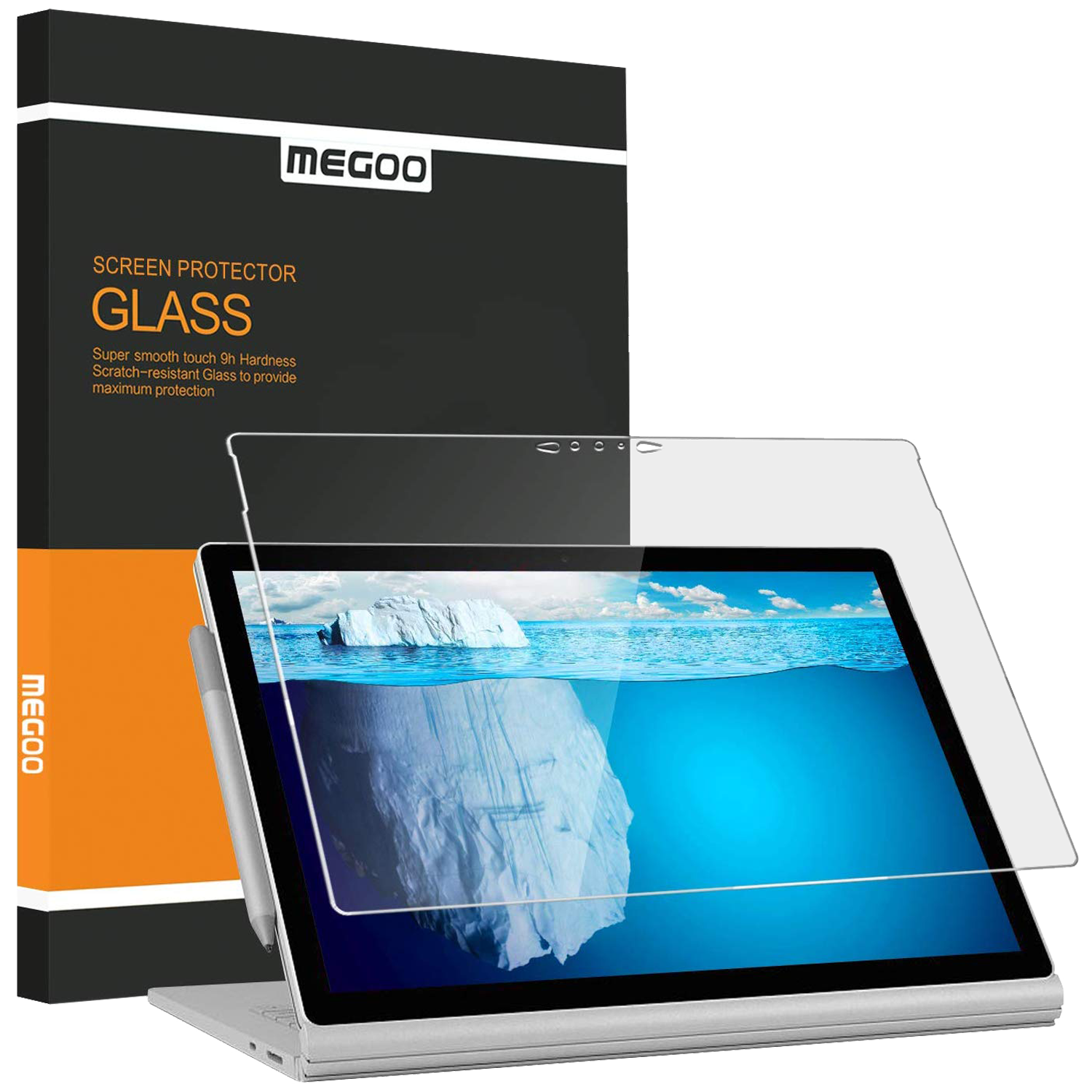
There is no definitive answer to this question as it depends on personal preference and how you plan to use your stylus. Some people find that a screen protector helps them get a smoother and more consistent writing experience, while others find that it gets in the way and makes their writing less accurate. Ultimately, it is up to you to decide whether or not you need a screen protector when using a stylus.
As I was preordering the Note Pro, I came across a reference to a screen protector that interfered with stylus use, which I subsequently investigated. It is up to each user to decide what to do. In some cases, people would never want to use their phone or tablet without a screen protector, while in others, giving up their firstborn and having to use one is preferable. Because I always scribbling on them or playing bejeweled blitz, the screens are always pristine. It’s a good idea to apply it in a hot bathroom, as dust from the air will not get on the adhesive. I sent an email to MIME USA based on a post in the XDA forum about the 12.2 update. Bodyguardz’s warranty is second to none.
If the screen protector breaks or is dustied, the replacement will cost you about $10 or so. If you want to install tempered glass, it’s best to go into a bathroom with a hot shower and steam it up to remove any dust. As long as the screen protector does not affect the stylus’s ability to touch the screen, using a stylus should not harm or affect it. There is a YouTube video that demonstrates how to do it. There is no plastic screen protector on the market that I will ever need. tempered glass is much clearer, and the bodyguardz’ finger print resistance is second to none.
S Pen Users Should Get Whitestone Dome Screen Protecto
It is not necessary to protect the screen of the Apple Pencil. However, if you are using the S Pen, you should wear a screen protector to avoid irritation. It is the best screen protector for the S Pen in the market, thanks to WhiteStone Dome.
Can A Stylus Be Used On Any Screen?
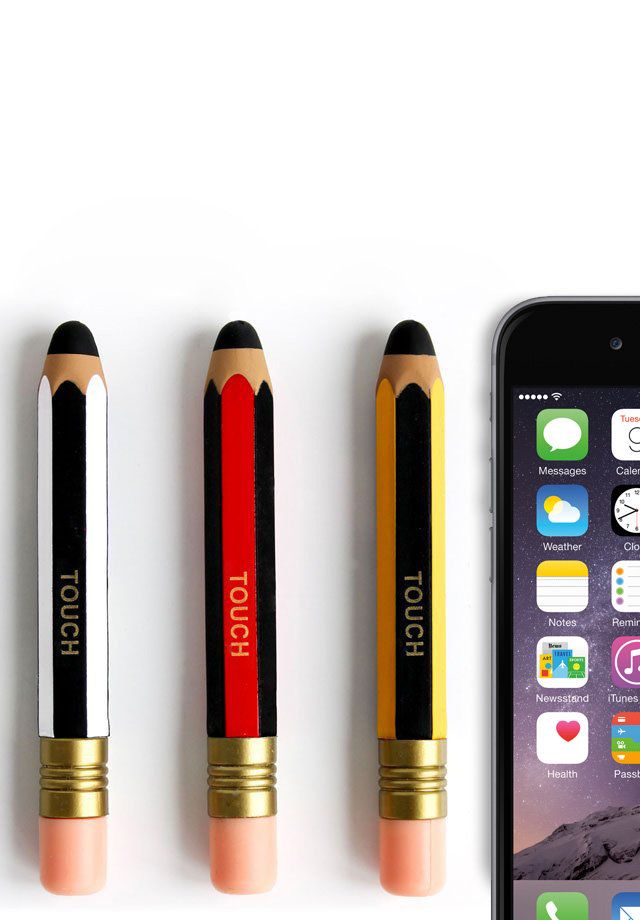
As you would with your finger, the stylus’s passive or capacitive technology conducts the electrical charge directly from your finger to the screen. It is possible to use a passive or capacitive stylus on any touchscreen that works with your finger.
When you touch your screen with a capacitive stylus, you simulates a touch of your finger using a rubber end or nib, which then activates the touch-sensitive points. Because there is no need for a battery, there are no need to charge or replace it in the stylus. The features and settings of your tablet’s S Pen should allow you to continue using it. The pen is compatible with both Android tablets and iPhones as well as Windows tablets. Capacitive touchscreen devices are used to identify touch based on capacitance. A capacitive stylus, such as the 5mm fine tip stylus of styles shop, can be used on any iPad. You can get a lot of benefits from using a stylus on your smartphone or tablet.
Smartphones, tablets, and touchscreen laptops all have stylus function. Active styluses and passive styluses are two types of stylus. You can use Pixelpoint to connect your Jot Touch to any Jot-Ready App, including Photoshop, Procreate, and many others. There are many capacitive touch screens that do not register small amounts of touch. Because it lacks internal electronics, a stylus is typically smaller and thinner than a digital pen. When you press and hold the Pen button on your S Pen for a few seconds, you can choose the app to which you want to open.
How do capacitive stylus work? A capacitive stylus, in other words, is a pen-like device that detects when someone touches it. This means that it is not reliant on a battery and can be used with any device with a capacitive touch screen. What is the difference between capacitive and non-cinch capacitive stylus? What are the advantages of the latter? A capacitive stylus can provide a variety of advantages. The first advantage is that it is compatible with almost any device, including capacitive touch screens. Furthermore, there is no need to charge or replace the battery as a result of this feature. Furthermore, it is versatile and can be used with any type of paper. Finally, it is accurate – a capacitive stylus can detect touch even if the screen is wet or dirty.
Do You Need A Stylus For A Touchscreen Device?
capacitive devices, on the other hand, are typically stylus enabled whereas resistive touchscreens are not. It is the only time when you can use a capacitive device with a capacitive stylus. A stylus is not required for resistive touchscreen devices because they do not use an electrostatic field. If you do use a stylus, ensure that it is of high quality because you can get cheap ones that use materials that may harm the display or agonizingly force you to use them. What type of stylus works best on a touch screen? When an electrostatic field is distorted by a conductor, it registers contact between the two surfaces on a capacitive touch screen. When electrostatic field disruption is applied, the capacitive stylus makes contact with your screen as if you were using a finger.
Does Screen Protector Affect Stylus
A screen protector will not affect how a stylus works. The stylus will still be able to register input on the screen just as it would without a screen protector. The screen protector may affect how the screen feels to the touch, but it will not affect how the stylus works.
Stylus That Works With Screen Protector
A stylus that works with a screen protector is a great way to keep your screen protector looking new. The stylus helps to prevent smudging and fingerprints on the screen protector. This is a great way to keep your screen protector looking clear and new.
It is critical to protect your phone or tablet from scratches and dents for its long-term use. If you buy a stylus that works with a screen protector, you can protect your device even more. There are some stylus that are more compatible with the selective phone and tablet generations. A stylus that is active has a pen nib, making it extremely useful. Glass screen protectors are usually more durable than steel ones. A plastic screen protector can shield your stylus from the screen while also protecting it from scratches. If you want the best results, buy a company from a reputable firm rather than a third-party seller.
A stylus and screen protector can be greatly improved by using a nib with enough pressure. You can increase your sensitivity if the screen does not pick up on your stylus or tone it down if the side of your hand does not produce any doodles or scrolling. When using a low-quality screen protector, you may experience touch sensitivity issues that can prevent the best stylus from working properly.
Prevent Screen Scratches
Preventing screen scratches can be done in a few different ways. One way is to use a screen protector. A screen protector is a thin film that goes over your screen and protects it from scratches. Another way to prevent screen scratches is to be careful with what you put your screen up against. Don’t put your screen up against anything that could potentially scratch it, such as a key or a coin.
Examine our guide for tips on repairing a cracked phone screen. However, if your phone screen is just lightly scratched, a Magic Eraser may be an option. Even if you don’t scratch the screen too much, it may need to be replaced.