

There is no denying that blue light screen protectors affect display quality. The question is, how much? Let’s take a look at the pros and cons of blue light screen protectors to see if they are worth the investment. On the plus side, blue light screen protectors can help reduce eye strain, fatigue, and headaches caused by extended exposure to blue light. They can also improve sleep quality by filtering out blue light that can disrupt your natural sleep cycle. On the downside, blue light screen protectors can cause a slight decrease in image quality. They can also add a slight bluish tint to your display. Overall, the pros outweigh the cons when it comes to blue light screen protectors. If you are looking for a way to reduce your exposure to blue light, a screen protector is a good investment.
We measured the intensity of light emitted by the iPhone 8, iPhone X, and iPad in a dark room at 450 nanometers. The average measurements were made by using and without a screen protector at varying distances, settings of brightness, and during Apple’s night shift (NS) mode. When the screen protector was at least 75% brighter, it decreased its intensity by 450nm every time. Blue light was reduced more effectively when the brightness was reduced and the NS mode was activated. Blue light exposure may be linked to the development of age-related macular degeneration. Blue light-blocking glasses, intraocular lenses, and screen protectors are just a few of the products that claim to block it. In this study, an iPhone 8, iPhone X, and iPad 9.4 were measured using protective glasses and emitting 450 nm of blue light.
In a statistical significance analysis, screen protector reduced the intensity of blue light by 0.01 percent in all settings except those with a 0% brightness. The iPhone 8, iPhone X, and iPad experienced a decrease of 70.1%, 74.3%, and 71.5% in brightness from 100% to 50%, respectively. By increasing NS mode, you effectively reduced the intensity of blue light. Blue light intensity was reduced by 46.4% at 33 cm and 100% brightness, while NS mode was reduced by 53.2%, 84.2%, and 86.5% when compared to 0%. Table 3 contains information. The screen protector was found to be most effective when used at 50% or 0% rather than being applied at 100% or 0%. It was equivalent to turning off a device that was at 0% brightness.
This study compared the performance of the screen protector to that of a device without a screen protector in terms of blocking blue light. It reduced the intensity of blue light by 60% depending on the setting and the device. This is unknown how it will affect either the eye or the general health of the body. Blue light intensity may provide a variety of benefits, including improved sleep and protection against retinoblastoma and macular degeneration. In a study of melatonin levels in college students, researchers discovered that blue light from computer monitors had a negative impact on melatonin levels. The University of Manchester discovered that touchscreen use in infants and toddlers resulted in reduced sleep and delayed sleep onset. When melatonin is exposed to blue light from light-emitting diodes, the dose is determined by its level.
Are Anti Blue Light Screen Protectors Worth It?
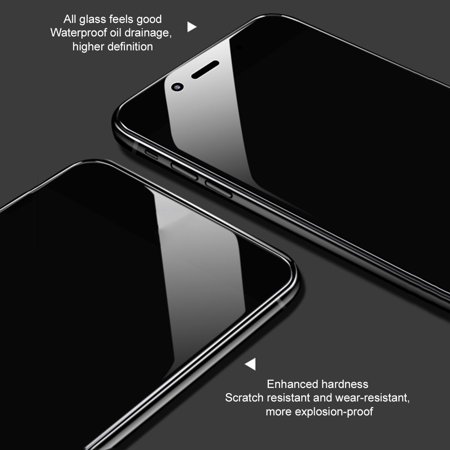
The filter media filtering effect has long been claimed to be beneficial to screens. Blue-light-blocking products, such as glasses and screen protectors, are claimed to reduce symptoms of blue light exposure, such as headaches, fatigue, and eye irritation.
Should I buy a screen protector or blue light glasses? In addition to prematurely aging skin, blue light can cause eye damage. When you use a screen protector with blue light, it will protect your eyes and face from harmful rays. EyeJust protects your phone by providing a shatterproof shield and shielding you from blue light.
Screen Protectors Can Help Protect Your Eyes From Blue Light
Blue light has been shown to harm the eyes in studies. Blue light has been shown to be harmful to the eyes. Using a screen protector to protect your eyes from harmful rays and glare is a great way to do so.
Do Screen Protectors Affect Display Brightness?
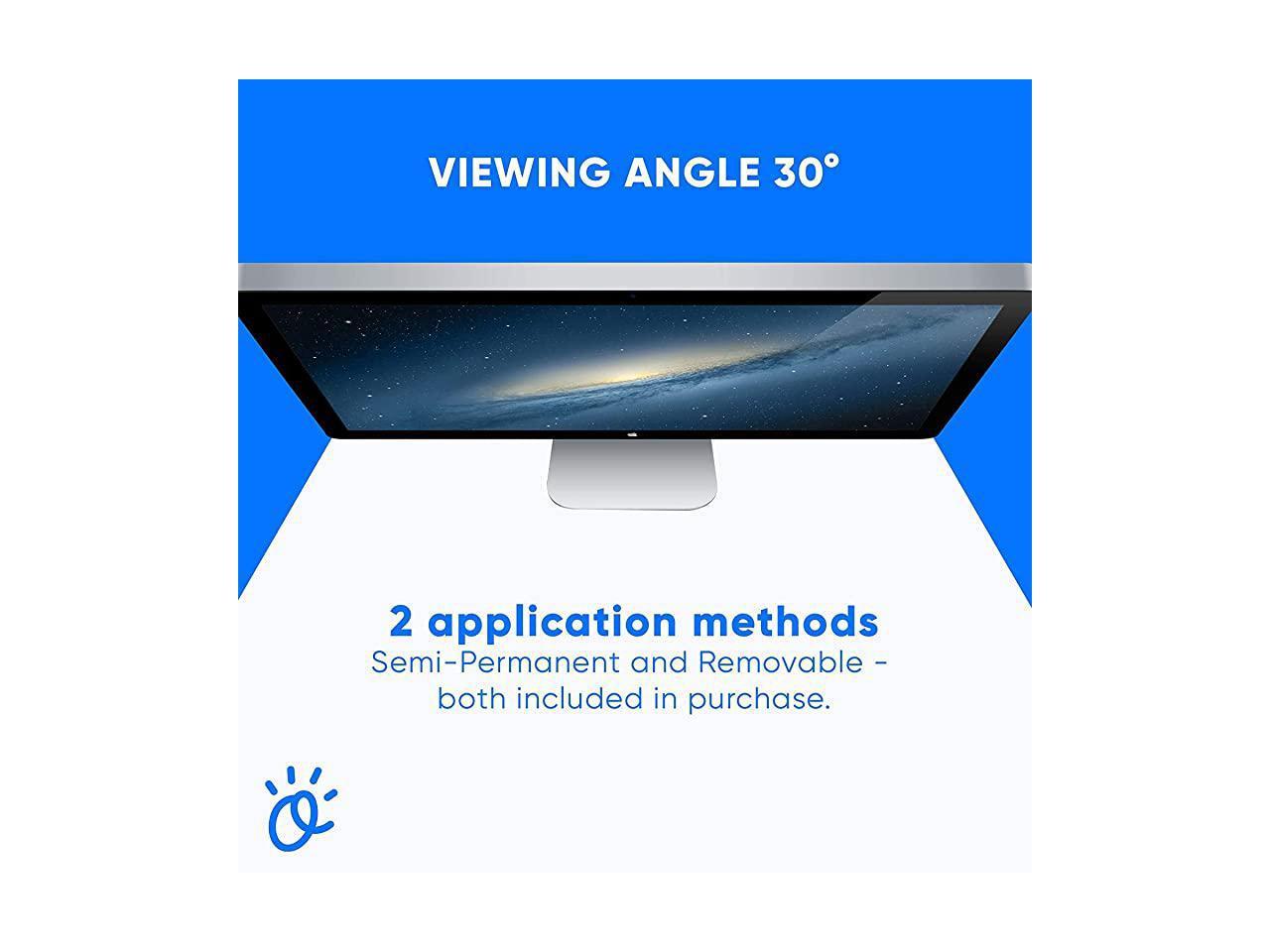
Screen protectors may affect the brightness of your display. If you notice that your display is dimmer than usual, it may be due to a screen protector. Try removing the screen protector to see if the brightness improves.
Anti Blue Light Screen Protector Vs Normal
There is no definitive answer as to whether or not an anti blue light screen protector is better than a normal screen protector. However, there are some key differences between the two that may make one or the other more suitable for your needs. Anti blue light screen protectors typically filter out a higher percentage of blue light than normal screen protectors, which can help reduce eye strain and improve sleep quality. They may also offer other benefits such as reducing glare and fingerprints.
A lack of artificial lighting, particularly blue light, can have an impact on your long-term health. You have several options if you want to avoid disruption of your circadian rhythm and sleep cycle. If you want to reduce the amount of blue light that your eyes are exposed to, anti-blue light glasses are an excellent option. A blue light screen protector blocks 43% of the blue light emitted by your device, which is more than double the protection of many glasses. If more blue light were to be filtered out, there would be a yellow tint on the screen. Screen protectors provide the same level of protection as your smartphone, and they are less expensive than buying a new pair of glasses.
Blue Light Screen Protector For Iphone
Apple’s iPhone screen protector is a great solution for people who want to protect their iPhone from the harmful blue light emitted by the screen. Furthermore, it will protect your iPhone screen for the long term.
Does Anti Blue Light Screen Protector Change Color
Yes, anti blue light screen protectors can change color. The most common colors are black, white, and clear. However, there are also some that are tinted in a blue or green hue. These types of screen protectors are designed to reduce the amount of blue light that is emitted from electronic screens.
Glassy and tinted blue light glasses are the two types of blue light glasses. Can the light in the universe change in proportion to the color of the molecules in our cells? The answer is determined by the model of glasses you wear. In addition to explaining this in detail, we will provide advice on which model to select. When you wear blue light glasses with tinted lenses, the colors of the screens around you change. The main reason for this is that excessive blue light exposure can cause sleep disturbances and harm our eyes. Because melatonin, our sleep hormone, is produced when our eyes are exposed to blue light, we believe the light is still in the daytime and thus do not get enough sleep. A screen’s colors may appear differently depending on whether it is viewed with a glass with tinted lenses (amber, yellow, orange, red, etc.).
Does Screen Protector Affect Colors?
Because of the plastic screen protector, light that passes through your display can be obscured, affecting the color gamut of your device.
Do Screen Protectors Make The Screen Darker?
No, screen protectors will not make the screen darker than it should be. Because screen protectors absorb light, they do not make the screen darker. Because they are made of glass, it makes perfect sense for them to do so. Because of its ability to absorb light, glass is an excellent material for screen protectors. It is here that a screen protector that lacks a full adhesive produces a rainbow effect. Because the protector is not completely adhered to the screen, light reflects off of the adhesive flaws. Because of this, the rainbow appears.
Are Blue Light Glasses A Different Color?
Blue light glasses have evolved to include a clear lens that appears to be the same as your regular glasses. The only difference is that they can appear to have a purple, blue, or green reflection when they are used as a blue light source. A blue blocker is frequently referred to as a computer glass.
Do Blue Light Glasses Actually Work?
Because the glasses are designed to allow you to appear rested and sharp in the morning, you should wear them. If you have blue light glasses because they have a green tint, their effectiveness is not their goal.