

It’s a common question we get asked – why do all glass screen protectors have black rims? The simple answer is that it’s necessary in order to create the best possible product. Let’s take a closer look at why. When light passes through a material, it refracts, or bends. The amount that it bends depends on the material’s refractive index. Glass has a high refractive index, which means that it bends light more than most other materials. This is why, when you look at a glass screen protector, you can see the black rim. The black rim is necessary in order to prevent light from passing through the edges of the screen protector and causing a halo effect. Without the black rim, the light would pass through the edges of the screen protector and cause a halo effect. The halo effect is when light is diffracted, or bent, in a circular pattern. This is why the black rim is necessary – to prevent the halo effect. While the black rim may not be the most aesthetically pleasing aspect of the glass screen protector, it is necessary in order to create the best possible product.
What’s The Difference Between Glass And Tempered Glass Screen Protector?
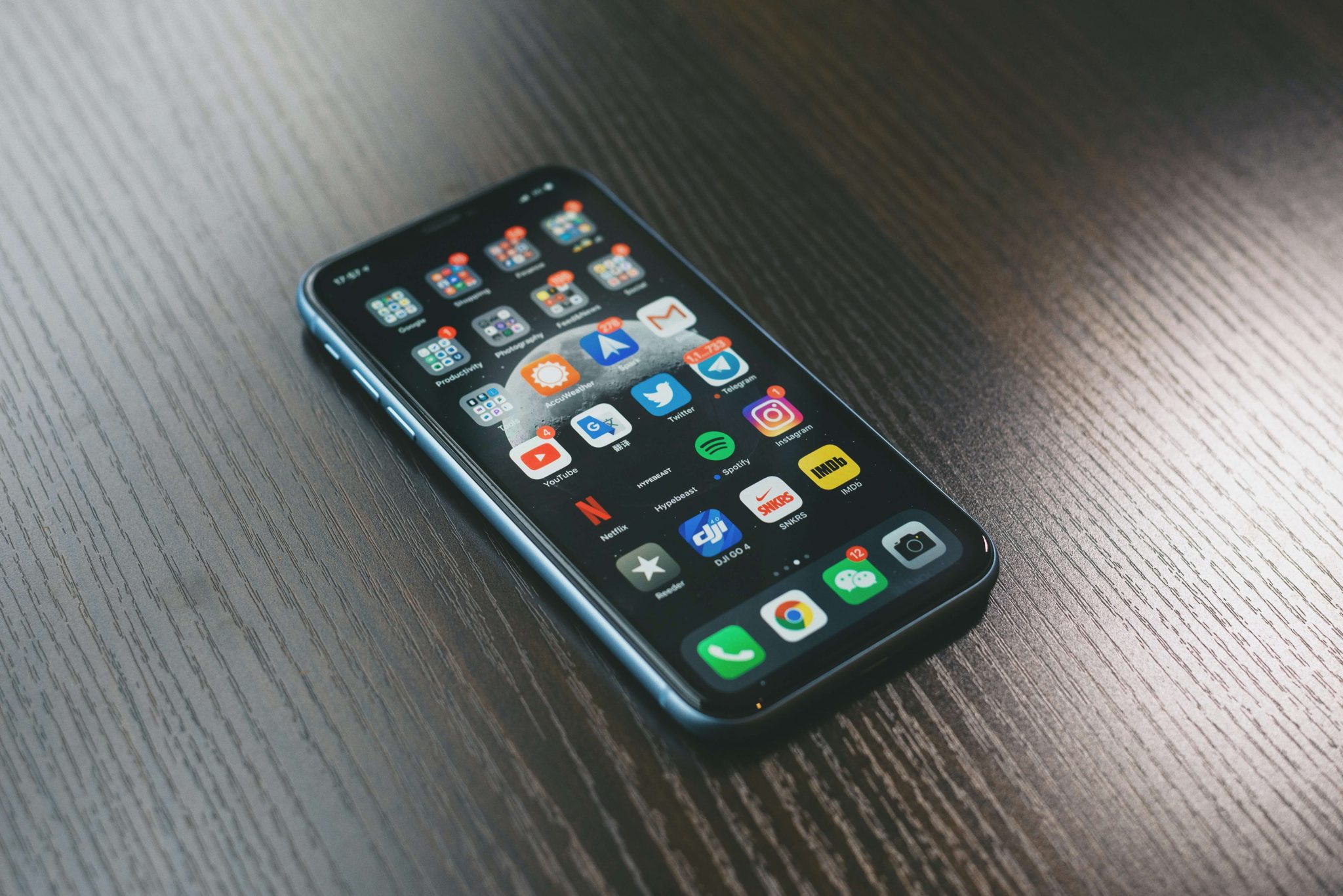
There are two main types of screen protector glass – tempered and regular. Tempered glass is significantly stronger than regular glass and is designed to withstand high impact force. It is also more scratch resistant. However, tempered glass is more expensive and is not always available in the desired size or shape.
A plastic screen protector can be scratched with a fingernail or object in your pocket, but glass screen protectors are much more durable and last much longer. If you’re mostly indoors and want the best color and brightness rendering, you can protect your screen with a glossy protector, which will most closely replicate the look of a screen without a covering.
Which Protector Is Better Glass Or Matte?
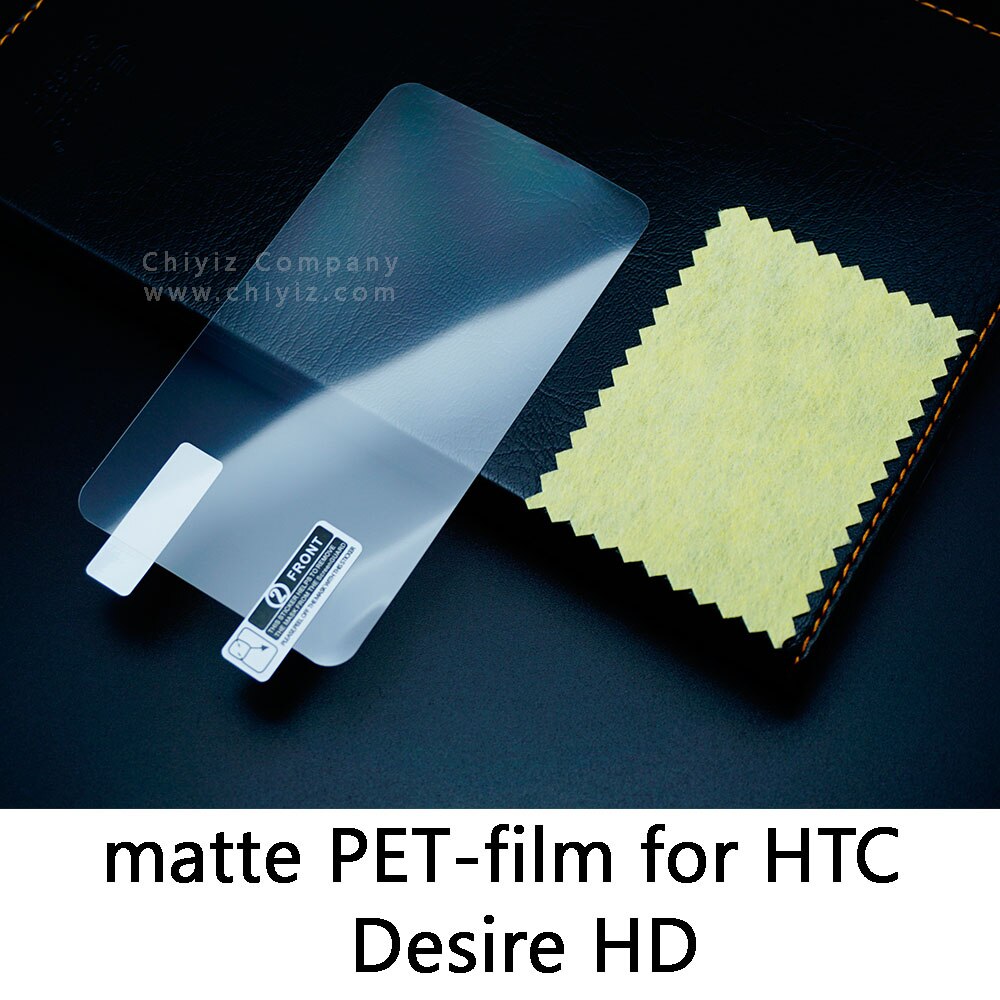
There is no definitive answer to this question as it depends on personal preferences. Some people prefer glass protectors because they provide a clear view of the phone’s screen, while others prefer matte protectors because they reduce glare and fingerprints. Ultimately, it is up to the individual to decide which type of protector is best for them.
Which tempered glass would you prefer, Matte or Tempered? The anti-glare properties of matte screen protectors have been known to be beneficial. The term tempered glass is frequently used to refer to glass with a tempered glass surface, which is also referred to as hardened glass. This type of glass is heated and cooled in this manner. The glass has a variety of layers and is made from a variety of materials. Silicon is used as an absorbent material at the bottom of the layer. PET film is then added to the second layer.
To finish, a coating of adhesive tempered glass is applied, followed by an Olephobic coating. In the event of a large shock, these glass pieces can shatter. Tempered glass screen protectors have the highest shock resistance of any type of screen protector. In practice, the air bubbles between the screen and the cover do not form. These shoes have a scratch-resistant coating. tempered glass has a distinct property that prevents it from being physically altered unless heated. There is no tension in the tension of scratches.
Matte Or Glossy? Screen Protecto
Despite the fact that glossy screens allow for nearly unfiltered viewing of the display, matte screens block much more light than glossy screens. Matte screens, on the other hand, have less image illumination and are thus less effective. With a tempered glass screen protector, the tension of the main screen is reduced, and the glass protects the screen from wear and tear. Changing the texture of the screen protector matte to an unsmooth surface can make it frosted. Glare and reflections from matte screen protectors, on the other hand, can sometimes strain your eyes. When it comes to glossy coating materials, the glare and reflections from them frequently strain the eyes, whereas matte materials provide a pleasant coating experience. What is best screen protector for my screen? The ceramic screen protector, in general, prevents signal isolation while also shielding the signal from interference. tempered glass is the most convenient method of isolating an antenna transmission due to the material issues.