

You’ve just got a new phone and, of course, you want to keep it looking pristine. So you buy a glass screen protector. But a few days later, you notice that there’s a bubble under the glass. And then you realize you can actually peel the glass screen protector off. So what’s going on? Is your phone defective? Nope. It’s actually a pretty common issue with glass screen protectors. The problem is that the adhesive that’s used to hold the glass in place isn’t always strong enough. And if you accidentally catch the edge of the glass with your fingernail or a sharp object, you can easily peel it off. So what can you do to prevent this from happening? First, make sure that you apply the glass screen protector carefully. Avoid touching the adhesive with your fingers or anything else that might contaminate it. Second, look for a glass screen protector that has a stronger adhesive. Some brands use a different type of adhesive that’s designed to be more durable. Finally, if you do end up peeling off your glass screen protector, don’t worry. Just clean the adhesive off your phone’s screen and apply a new one.
Screen protectors protect your phone screen from scratches and chips, ensuring that it remains clear of harmful materials. If your screen protector is cracked, you may need to replace it. The screen protector you have now may be sufficient for an upgrade. Simply remove the screen protector and the rest of your phone will be fine. How can you remove a screen protector? Closely heat the screen protector for about 15 seconds to keep the hairdryer moving. With the adhesive on the glass protector softened, the only thing you need to do next is find a thin layer that will allow you to carefully remove the protector from the phone’s display.
A credit card, guitar pick/plectrum, or toothpick are the most common methods for removing a screen protector. Duct tape may be a better option if you can’t find a way into or the screen protector is firmly attached to the display at the corners. The screen protector can no longer be used.
Can You Take Off And Reapply A Glass Screen Protector?
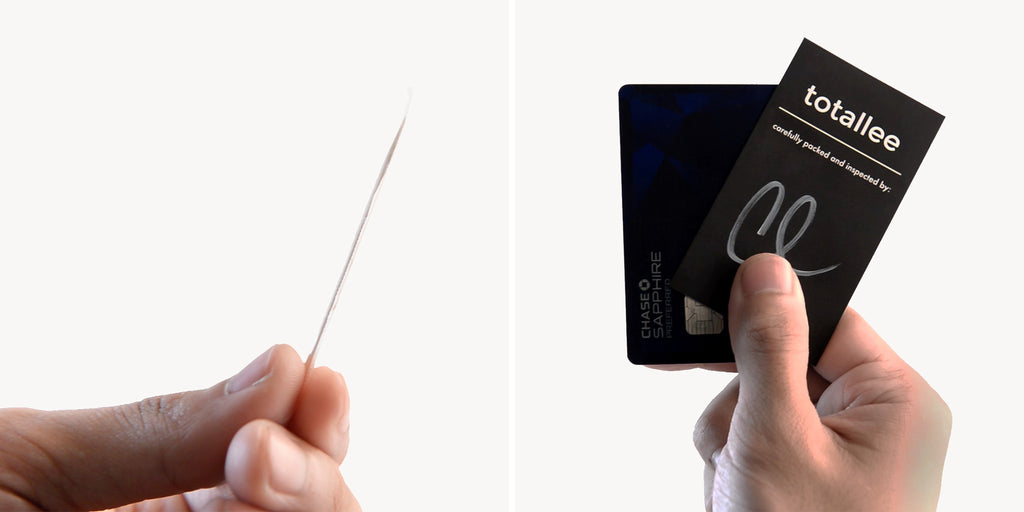
The protector is not intended to be applied on a daily basis. However, as long as the adhesive layer does not become damaged, you can reapply it (for example, if your screen does not properly align).
Can you reuse tempered glass screen protectors? After it has been removed from the original device, the glue that remains on the protector causes dust to form. A secure seal cannot be made with the new device’s screen. A pack of replacement screen protectors can cost up to $50. When any component of the glass cracks, it serves as a fracture point, resulting in larger cracks and possibly scratches. A screen protector that has begun to peel at the edge should also be replaced. If you want a reasonably priced, high-quality tempered glass screen protector, SaharaCase tempered glass screen protectors are an excellent option.
Tempered Glass Screen Protector: To Reuse Or Not To Reuse
protects your iPhone 6s screen from scratches and drops. A tempered glass screen protector, when combined with a thin layer of glue, can be discarded because it attracts dust. Before reattaching a tempered glass screen protector, make sure to apply a new adhesive to the screen protector and phone.
Can You Take Off Glass Screen Protectors?
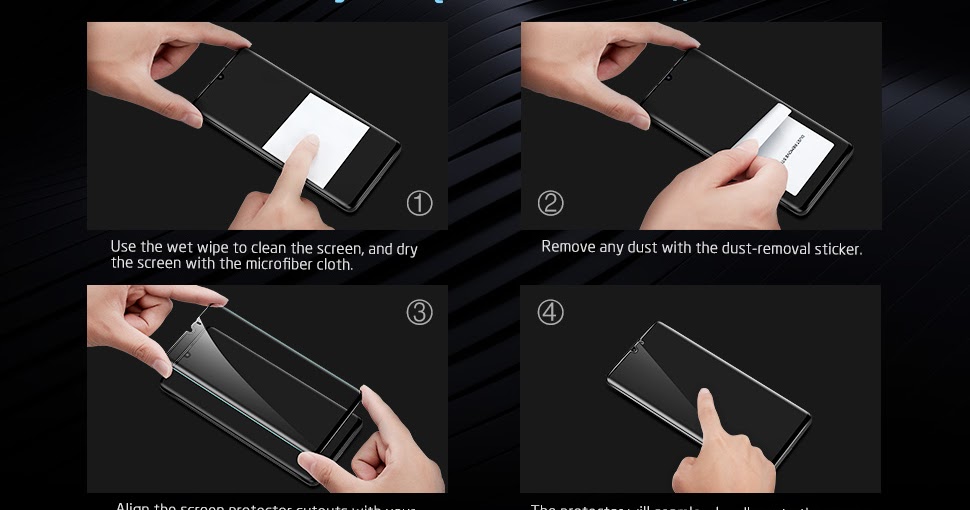
You can take off glass screen protectors, but you may need to use a little bit of force. Be careful not to scratch your screen while you are removing the glass screen protector.
Removing A Tempered Glass Screen Protecto
Many smartphones and tablets now feature tempered glass as a screen material. It is generally safe to remove and replace a tempered glass screen protector; however, removing too much of the screen material can cause damage. Before attempting to remove the tempered glass screen protector, it is critical that it be heated first.
How To Take Off A Glass Screen Protector That Is Cracked

If your glass screen protector is cracked, you will need to take it off before you can replace it. The best way to remove a glass screen protector is to use a razor blade. First, you will need to find the edge of the screen protector. Once you have found the edge, you will need to gently insert the razor blade under the screen protector. Once the razor blade is inserted, you will need to gently lift the screen protector off of the device.
It can be as difficult to remove a screen protector, whether damaged or undamaged, as it is to remove plaster from a wound. It is still possible to remove a broken screen protector with no difficulty if your long fingernails are not long. A credit card and a toothpick are all that is required to do so. If your phone has been severely damaged by falling into the ground or has become cracked, it may not be possible to remove a cracked screen protector on your own. Furthermore, if you need to replace your cracked phone screen, you can take it to a service center where they will remove it and replace it. Carlcare is the only authorized service provider for the TECNO, ixdin, and itel brands.
How To Take Off Screen Protector Without Breaking It
To take off a screen protector without breaking it, use a piece of tape to lift a corner of the screen protector. Then, slowly peel the screen protector away from the device.
The screen protector is a piece of plastic or glass that protects your phone or tablet from scratches. It is possible to accomplish this without breaking the phone’s screen protector or the screen itself. Millions of people rely on Asurion for their technical troubleshooting, repair, and optimization.
How To Care For Your Tempered Glass Screen Protecto
A tempered glass screen protector protects the screen of your smartphone from scratches and other damage, but it should be cared for in order to be reused. It is critical to replace the protector as soon as possible if any defect occurs, whether in the glass or just a small pit. It is also critical that you carefully remove your screen protector from your device as close to the edge as possible to avoid damaging the screen or cutting yourself on the glass.
How To Remove Glass Screen Protector From Iphone
To remove a glass screen protector from an iPhone, first make sure that the iPhone is turned off. Then, use a sharp object, such as a razor blade, to gently lift up one corner of the screen protector. Slowly peel the screen protector away from the iPhone, taking care not to damage the screen. If the screen protector is stubborn, you can use a bit of heat, such as from a hair dryer, to loosen the adhesive. Finally, use a lint-free cloth to clean the iPhone’s screen.
Over time, broken or peeled glass iPhone screen protectors can become damaged. Apple will charge $329 for an iPhone 13 Pro Max screen repair. The instructions below will walk you through the process of removing a tempered glass screen protector from your iPhone. The instructions are specific to the iPhone, but the same procedure should apply to any screen protector, not just the iPhone. It is a good idea to carefully remove the screen protector and dispose of it safely. The display on your smartphone should be cleaned to remove any adhesive that may have accumulated.
How To Remove Screen Protector
To remove a screen protector, start by gently peeling it back from one corner of the device. Slowly work your way around the edges of the screen protector, being careful not to damage the device’s screen. Once the screen protector is completely removed, dispose of it properly.
Depending on the type of screen protector you have, you may not be able to remove it. Unlike liquid protectors that are made of liquid and are not embedded in the display, plastic and tempered glass protectors are typically removable. If a backup is ready to be swapped in, the following method can be used to remove the protector.
Screen Protectors: How To Remove Them
If you can’t get rid of the adhesive, you can use a credit card or a blunt object to pry it out. It’s a good idea to keep the screen from scratching.
Screen Protector Glass
A screen protector glass is a piece of tempered glass that is placed over a phone’s screen to protect it from scratches and other damage. It is important to note that a screen protector glass is not the same as a phone case, as it does not cover the entire phone. Screen protector glasses are typically much thinner than phone cases, and some people prefer them because they do not add bulk to the phone.
Plastic Screen Protector Safely Screen Protectors
Plastic screen protectors are a great way to keep your screen looking new. They are inexpensive and easy to apply. Most screen protectors are made of tempered glass, which is designed to resist scratches and shattering.
What’s better, a glass or a plastic? There are two materials available for screen protectors: glass and plastic. We divided the differences between the different types into five sections to make them clear because each has its own set of benefits and drawbacks. A glass screen protector will feel more like the real thing than a plastic one. The difference between plastic and non-plastic screen protectors is greater. Glass versions are available in two different applications. Some films have full-screen adhesive, while others have it applied in place of the backlight.
Which One Is Better Plastic Or Glass Screen Protector?
Glass will last longer than plastic screens, which are typically around 0.1mm thick. A fingernail or object found in your pocket can also be used to scratch the plastic ones. If you want long-lasting, long-lasting screen protectors, glass is the way to go.
Why You Should Use A Tempered Glass Screen Protector On Your Phone
The tempered glass is one of the most important phone accessories. There are numerous reasons why it is essential, the most important of which is that it ensures that your phone is secure no matter how rough it gets. Because the majority of companies have begun to release curved phones, it is critical that consumers purchase curved tempered glass rather than normal tempered glass.
Glass screen protectors should not be used on smartphones because they will not shatter the device. The devices will not only protect the screen from cracking if it is dropped, but they will also protect the phone from scratches. If you have a folding phone, you should avoid using a screen protector at all costs.
What Is The Most Protective Type Of Screen Protector?
According to the experts consulted, a high-quality tempered glass protector will be more effective at protecting your display than plastic ones. As a result, Agnew explained, “at higher temperatures, the glass can withstand more stress on its surfaces, allowing it to absorb more impact when the phone falls.”
Screen Protectors: Not A Silver Bullet For Preventing Screen Cracks
Despite popular belief, plastic screen protectors cannot prevent screen cracks completely. Screen protectors protect the screens from scratches, which weaken the display’s structural integrity and lead to large cracks later on. They may not be able to save your phone if it is dropped on the pavement. In fact, some studies have found that screen protectors can increase the risk of breaking a screen when it is dropped. While they may not be completely useless when it comes to preventing screen cracks, they do not provide the same level of protection as traditional screen guards.
Should I Take The Plastic Off My Phone?
If you purchased an Galaxy phone during the manufacturing and distribution phases, it may be covered in protective vinyl or film. After purchasing the device, you may encounter a variety of issues if you do not remove the protective film. To begin, remove all of the protective film from the package.
To Remove Or Not To Remove: That Is The Question
The benefits and disadvantages of each decision are discussed below. When the screen is turned off, keeping the film on the device may provide protection. Others, on the other hand, believe that the film can restrict and disorient people. When it comes to deciding whether or not to remove the film, the user has the final say.